
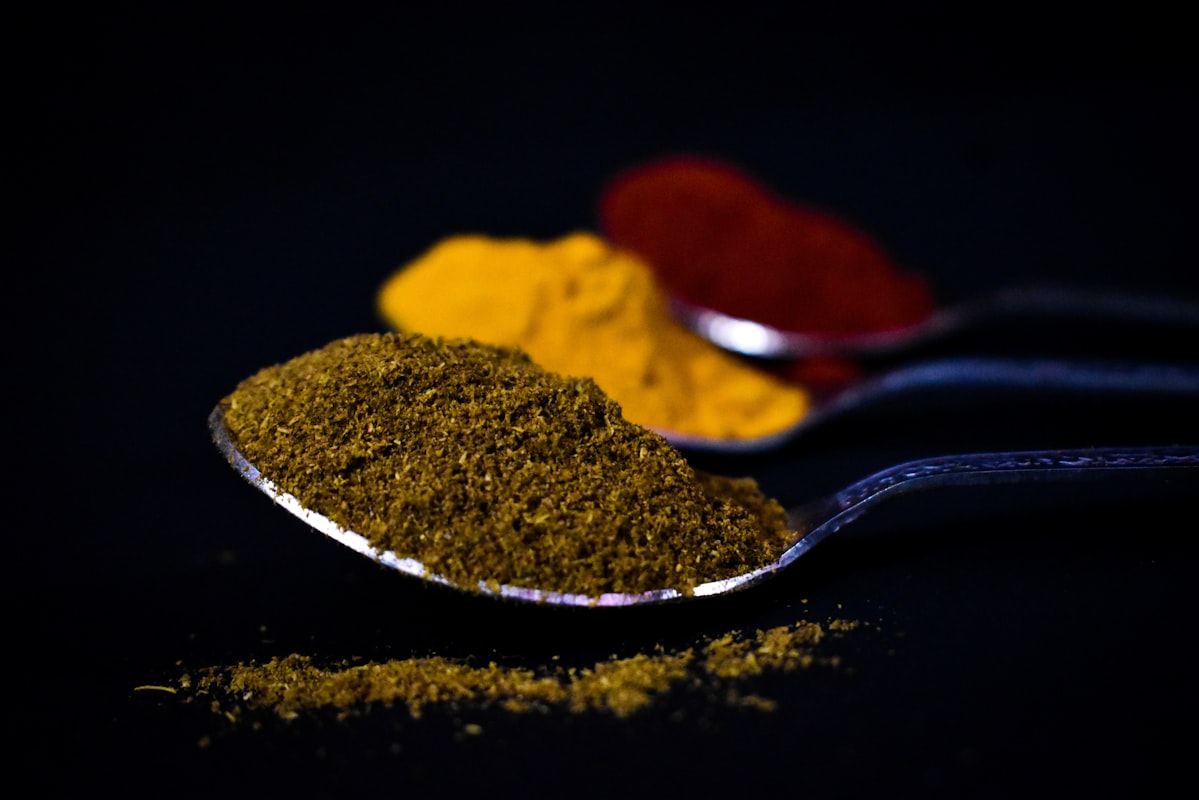
Turmeric for Joint Mobility: Supporting Natural Flexibility
Explore our editorial library on how curcumin — turmeric's active compound — supports flexible movement, comfortable joints, and an active lifestyle. Science-backed articles for everyday readers.
Why Turmeric Matters for Your Joints
Our editorial team curates well-researched content on turmeric's role in supporting natural joint comfort and body flexibility.
Natural Plant Extracts
Turmeric is a time-honored botanical used across cultures to support joint comfort. Our articles explore its traditional use alongside current botanical research.
Active Mobility Support
Whether you're a seasoned athlete or simply want to stay active, our guides on dietary supplements for active living help you understand how turmeric fits your routine.
Evidence-Based Editorial
Every article on Naturalflexdaily is reviewed by our editorial board to ensure the information is clear, balanced, and based on current nutritional science and research.
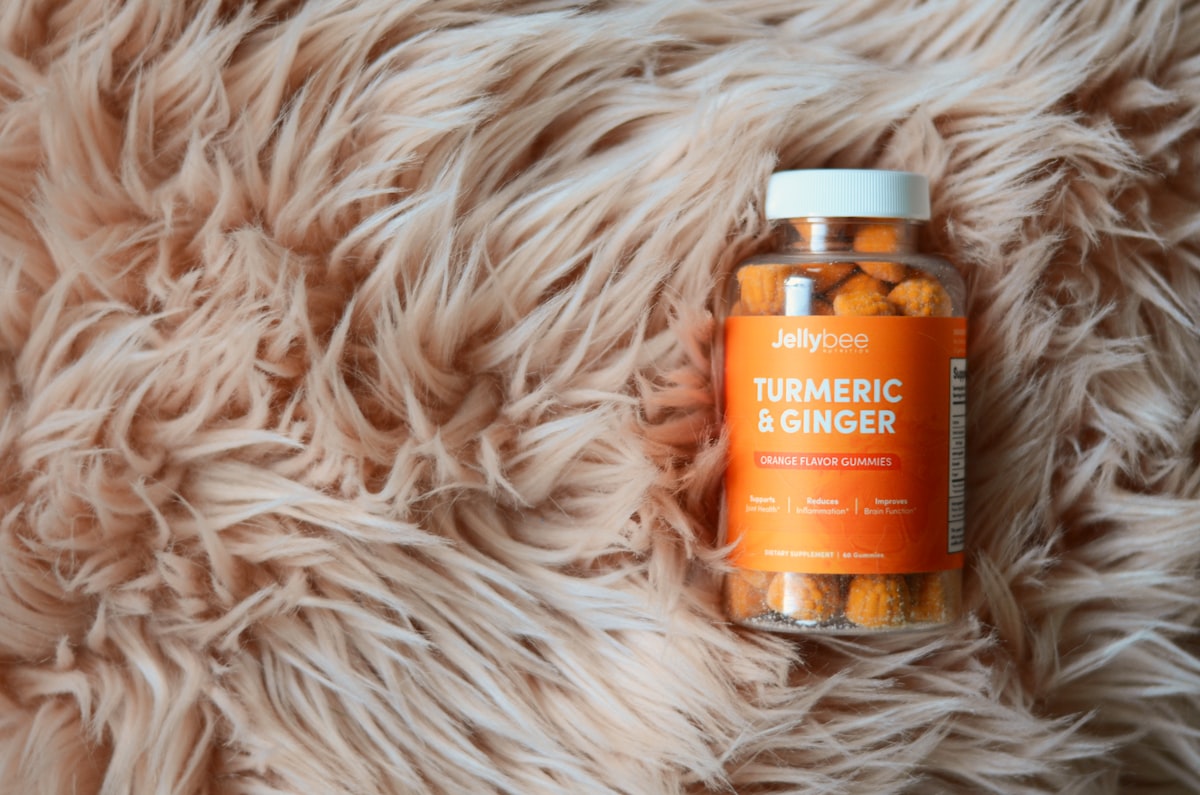
How Curcumin Reaches the Root of Joint Discomfort
Curcumin, the primary bioactive compound in turmeric, has attracted significant interest from nutritional researchers for its potential role in supporting joint tissue comfort. When integrated into a balanced dietary supplement routine, curcumin may help the body maintain the flexibility and resilience of cartilage structures.
Our editorial articles explore how plant-based extracts interact with the musculoskeletal system, offering clear, accessible explanations for anyone interested in vitamins for the musculoskeletal system and holistic approaches to movement comfort.
- Supports cartilage and connective tissue structure
- Promotes natural joint mobility and body flexibility
- Widely studied as a natural supplement for joint care
- Compatible with plant-based and active lifestyles
Top Benefits of Turmeric for Joint Health
Our most-read editorial pieces covering the science and practical insight behind turmeric as a natural supplement for joint support.

Daily Turmeric Dosage: How Much Is Enough?
Understanding the right amount of curcumin per day is essential for consistent support. This guide breaks down dosage ranges, absorption factors, and timing recommendations.
Read Article
Plant-Based Extracts That Support Joint Flexibility
Turmeric works well alongside other herbal allies like boswellia and ginger. Explore how combining plant-based extracts can enhance the comfort of your joints naturally.Read Article

Turmeric as a Dietary Supplement for Athletes
Active individuals place unique demands on their joints. Discover how turmeric-based dietary supplements fit into training routines and post-activity recovery practices.
Read Article
Strengthening Cartilage: A Natural Supplement Approach
Cartilage is the quiet foundation of smooth joint movement. Learn how nutritional complexes that include curcumin may contribute to long-term cartilage comfort and resilience.
Read Article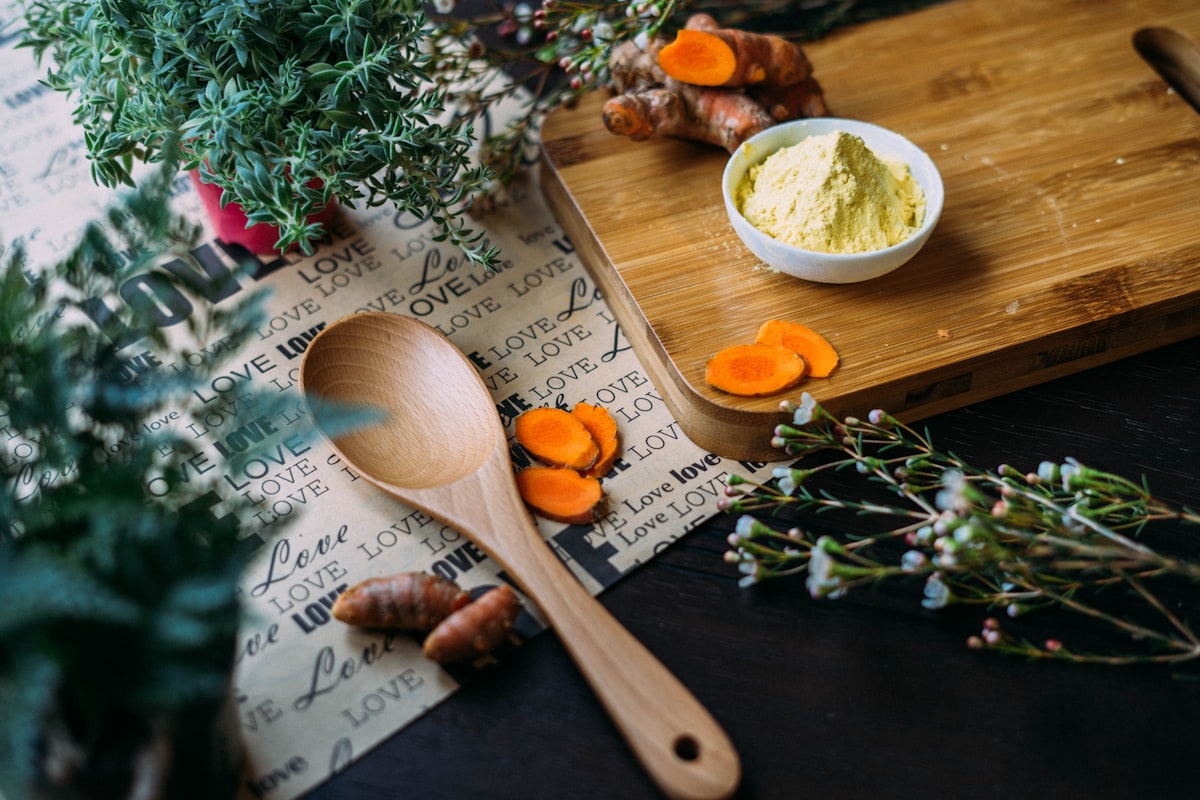
Key Vitamins That Complement Turmeric for Joint Support
Curcumin doesn't work alone. This article explores which vitamins for the musculoskeletal system — including D3, K2, and C — pair well with turmeric to support overall joint health.
Read Article
Daily Habits That Amplify Turmeric's Benefits
Movement, hydration, and mindful eating all influence how well natural supplements work. Read our editorial guide on lifestyle habits that support joint comfort alongside a natural diet.
Read ArticleStep-by-Step Dosage Guide for Optimal Joint Support
Our editorial team has compiled this practical walkthrough to help you understand how to incorporate turmeric into your daily supplement routine.
Start with a Low, Consistent Daily Amount
Most nutritional guidelines suggest beginning with a modest daily intake of curcumin — typically around 500 mg of standardized turmeric extract — and maintaining consistency. Early weeks are about building a routine rather than expecting immediate changes. Regularity is the cornerstone of any effective natural supplement approach.
Pair with Black Pepper (Piperine) for Absorption
Curcumin on its own has limited bioavailability — meaning the body absorbs only a small fraction. Adding piperine, a compound found in black pepper, dramatically improves absorption. Many natural joint supplements already combine these two ingredients. When reading product labels or articles, look for "BioPerine" or piperine-enhanced formulas.
Take with a Meal Containing Healthy Fats
Curcumin is fat-soluble, which means consuming it alongside a meal that includes olive oil, avocado, or fatty fish supports better uptake in the body. This is a simple, practical tip that our editorial articles consistently highlight. A meal-based routine also helps keep your supplement intake steady and memorable.
Monitor Your Body's Response Over Weeks
Natural plant-based supplements generally take several weeks to show noticeable effects. Keeping a simple journal of how you feel — noting morning stiffness, ease of movement, and general comfort — helps you track gradual improvements. Our readers often share that patience and consistency are the most important factors in any natural joint supplement journey.
Common Questions About Turmeric Dosage & Safety
Our editorial team has gathered the most frequently asked questions from our community and answered them with clarity and care.
What is the typical daily amount of turmeric suggested in nutritional literature?
Most nutritional research references a range of 500–1500 mg of standardized curcumin extract per day as a commonly studied intake. The specific amount suitable for any individual depends on factors like body weight, lifestyle, and the presence of other dietary supplements. Our editorial articles review various published approaches to help readers form informed perspectives.
Is it safe to take turmeric every day as a natural supplement?
Turmeric has a long history of use in food and herbal traditions, and curcumin is generally regarded as well-tolerated in supplement form for most healthy adults. That said, individuals with specific health conditions or those taking other supplements should seek personal guidance from a qualified professional. Our content is for educational purposes and does not replace individual advice.
How long does it take to notice changes in joint comfort with turmeric?
Based on reader experiences shared in our community and the nutritional literature we review, many people report noticing gradual improvements in movement comfort after four to eight weeks of consistent use. Natural supplements work differently from fast-acting compounds, so patience is key. Consistent intake alongside a balanced lifestyle appears to be most beneficial.
What is the difference between turmeric root and curcumin extract?
Turmeric root (the spice) contains roughly 2–5% curcumin by weight, while standardized curcumin extracts are concentrated to contain 95% curcuminoids. Supplements typically use the extract form to deliver a consistent, measurable amount. Our articles on natural extracts for joints explain this distinction and help readers understand what to look for on supplement labels.
Most well-researched joint support ingredients like glucosamine, chondroitin, and curcumin have strong long-term safety profiles when taken as directed. However, individual responses vary, and it's always wise to consult a healthcare professional before starting any supplement regimen — especially if you take medications or have underlying health conditions. Our content highlights what research says about duration of use and any noted precautions.
Do I need to exercise while taking joint supplements?
Supplements work best as part of a holistic approach. Low-impact movement — such as swimming, walking, or yoga — helps maintain cartilage nutrition, as cartilage has no direct blood supply and relies on movement to absorb nutrients. Our wellness guides combine supplement insights with practical lifestyle tips, including gentle exercise routines designed specifically for joint health.
Are there foods that naturally support joint health?
Yes — fatty fish rich in omega-3s, colorful berries packed with antioxidants, leafy greens with vitamin K, and bone broth containing natural collagen peptides are among the foods most associated with joint support in the research literature. Our nutrition-focused articles explore how diet and supplementation can work in synergy for better mobility outcomes.
What makes Naturalflexdaily different from other health blogs?
We focus exclusively on natural flexibility and joint wellness — it's our entire editorial mission. Every article is written with a research-informed lens, citing credible studies and expert consensus rather than trends or marketing claims. We don't sell supplements; we help you understand them so you can make confident, informed decisions about your own health journey.
Stay Ahead of Your Joint Health Journey
Join thousands of readers who receive our carefully curated articles on natural mobility, inflammation science, supplement breakdowns, and practical lifestyle tips — delivered every week, completely free.